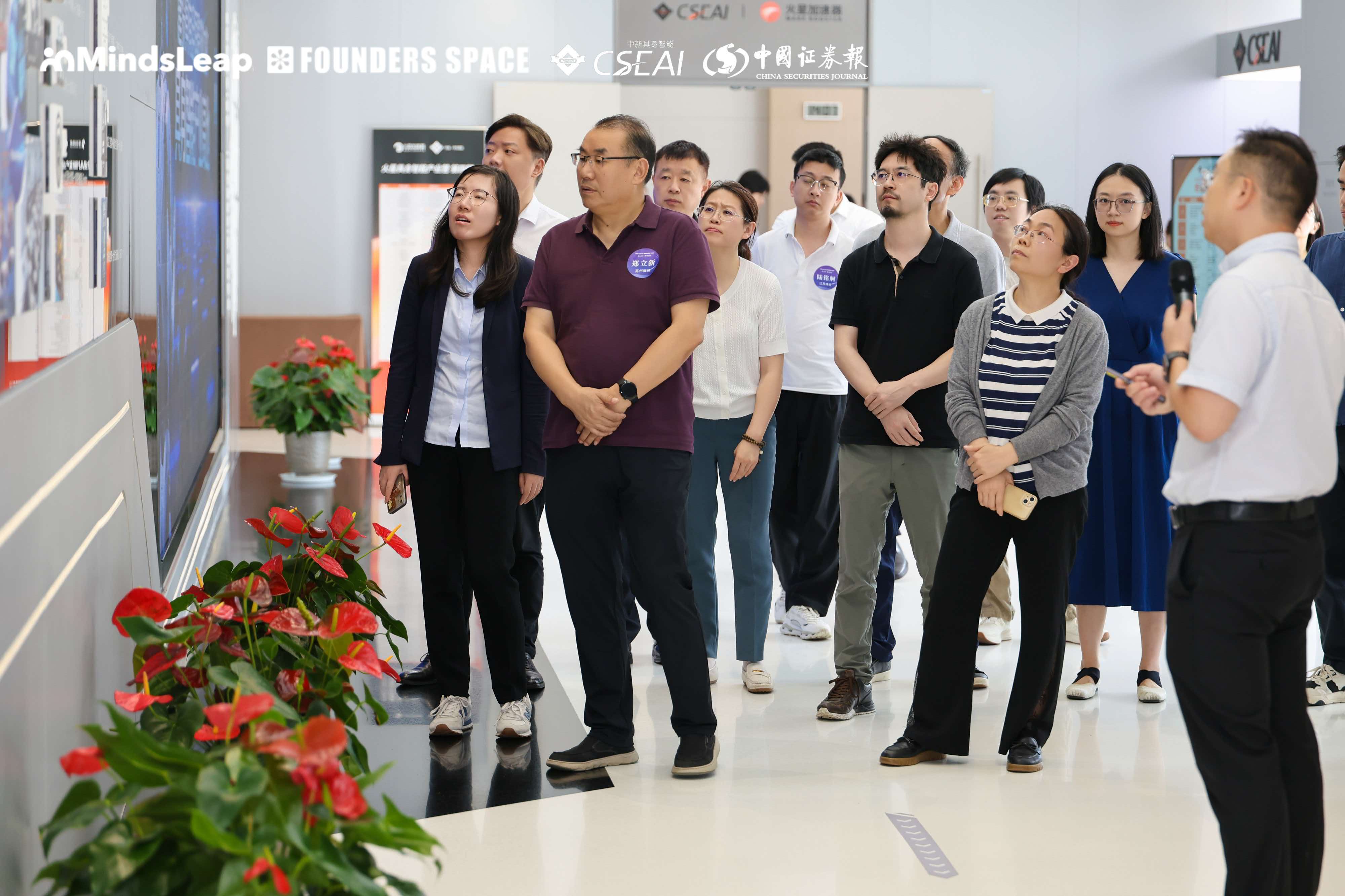
July 7, 2026 | Suzhou Industrial Park · China-Singapore Embodied AI Innovation Application Incubation Center
On July 7, 2026, MindsLeap and the China-Singapore Embodied AI Innovation Application Incubation Center co-hosted an AI Growth Exchange in Suzhou Industrial Park. Entrepreneurs and business leaders from manufacturing, services, industrial parks, social organizations, and innovation companies gathered to discuss AI digital employees, the entrepreneur's second brain, one-person marketing teams, and FDE implementation.
This was not a general trend briefing. The program focused on a practical question: if AI is no longer just a chat interface, how should companies design it as a digital employee that can read files, use tools, execute tasks, and review results?
One shared conclusion emerged:
Enterprise AI implementation is moving from individual tool usage to organizational job design, digital employee training, and workflow reconstruction.
First Stop: Visiting the Incubation Center
The program began with a visit to the China-Singapore Embodied AI Innovation Application Incubation Center. Li Chenglin, General Manager of Investment Promotion and Operations at China-Singapore Suzhou Industrial Park Development Group, introduced the industrial foundation of Suzhou Industrial Park, the development of CSSD, and the park's layout across AI, robotics, embodied intelligence, and industrial investment.
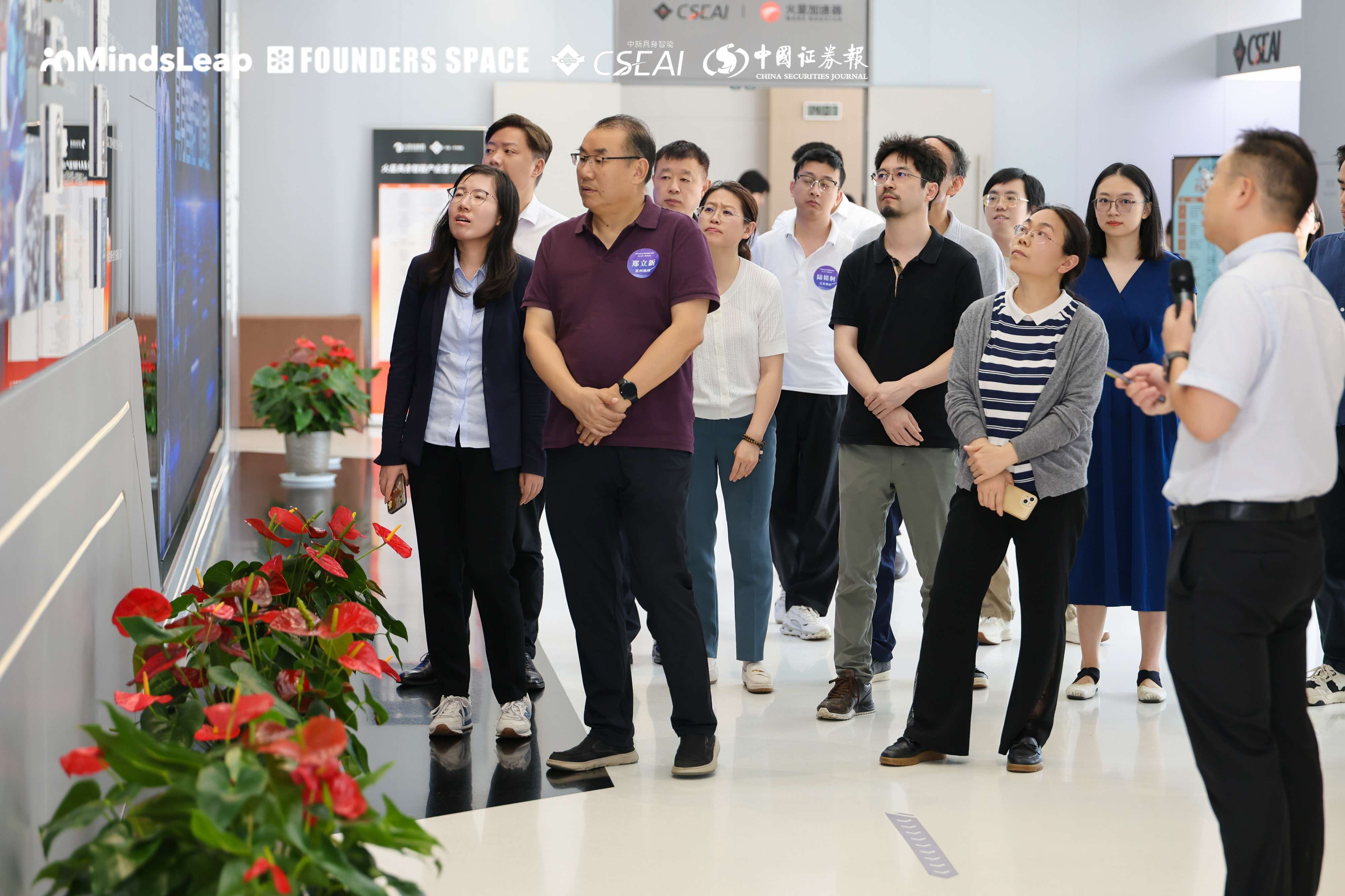
The visit showed that Suzhou Industrial Park is not only a physical carrier for enterprises, but also an innovation ecosystem connecting technology, capital, industrial scenarios, and talent. The park has gathered a large number of new technology projects, while CSSD provides industrial space, capital networks, municipal support, and operating services for companies at different stages.
Li also discussed industrial carrier cases such as Suhong District and Jinguang District, showing how the park supports investment promotion, supply-chain strengthening, and international project landing. For the entrepreneurs onsite, the visit offered a concrete view of what AI and embodied intelligence require beyond software: infrastructure, capital, industrial partners, and real deployment scenarios.
Lincoln Wang: Building a One-Person Marketing Team With AI
After the visit, MindsLeap founder Lincoln Wang shared how to build a one-person marketing team with AI. His core message was that entrepreneurs should not only learn how to use AI tools; they should learn how to design AI employees.
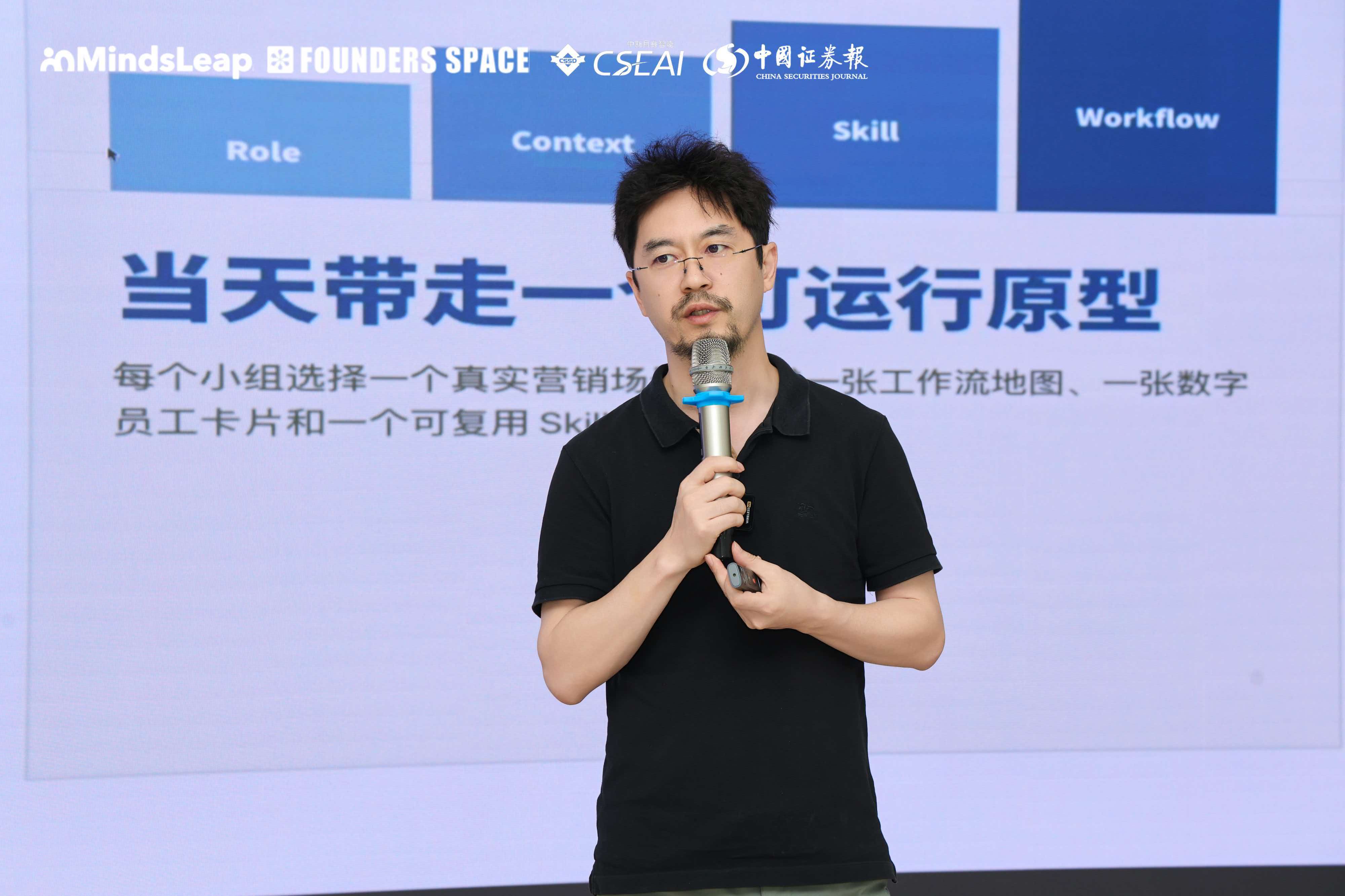
In Lincoln's framework, a one-person marketing team is not a person doing everything alone. It is one person leading a team of AI digital employees. The human owns goals, judgment, brand, and key relationships. AI digital employees handle repeatable, tool-connected execution across the workflow.
Marketing is a strong starting point because it connects market intelligence, content planning, asset production, multi-channel publishing, feedback, and iteration. A marketing workflow can be decomposed into several digital employee roles:
- Market intelligence analyst: tracks trends, competitors, user feedback, and AI search responses
- Content planner: turns events, cases, expert views, and brand assets into publishable content packages
- Short-video producer: extracts highlights from long-form assets and creates topics, scripts, subtitles, titles, and cover briefs
- Channel publisher: adapts the same content to the website, WeChat, Xiaohongshu, video platforms, communities, and email
- Review analyst: collects performance data and writes lessons, mistakes, and new templates back into the workflow
The key is not to write more prompts. It is to turn marketing into a trainable, reviewable, and improvable role system. A prompt solves one task; a skill solves one type of task; a digital employee runs and improves a business workflow over time.
Lincoln also suggested that companies choose their first digital employee carefully. The best starting scenarios are frequent, verifiable, supported by sufficient data, and tied to clear delivery standards. Only when a digital employee can deliver results, receive human review, and write feedback back into the workflow can AI become an organizational capability.
Yusi Lin: The Entrepreneur's Second Brain
MindsLeap co-founder Yusi Lin brought the focus back to the entrepreneur. To make digital employees truly useful, companies need more than temporary instructions. They need long-term context: founder judgment, customer understanding, product material, business data, and management methods that AI can search, reference, and reuse.
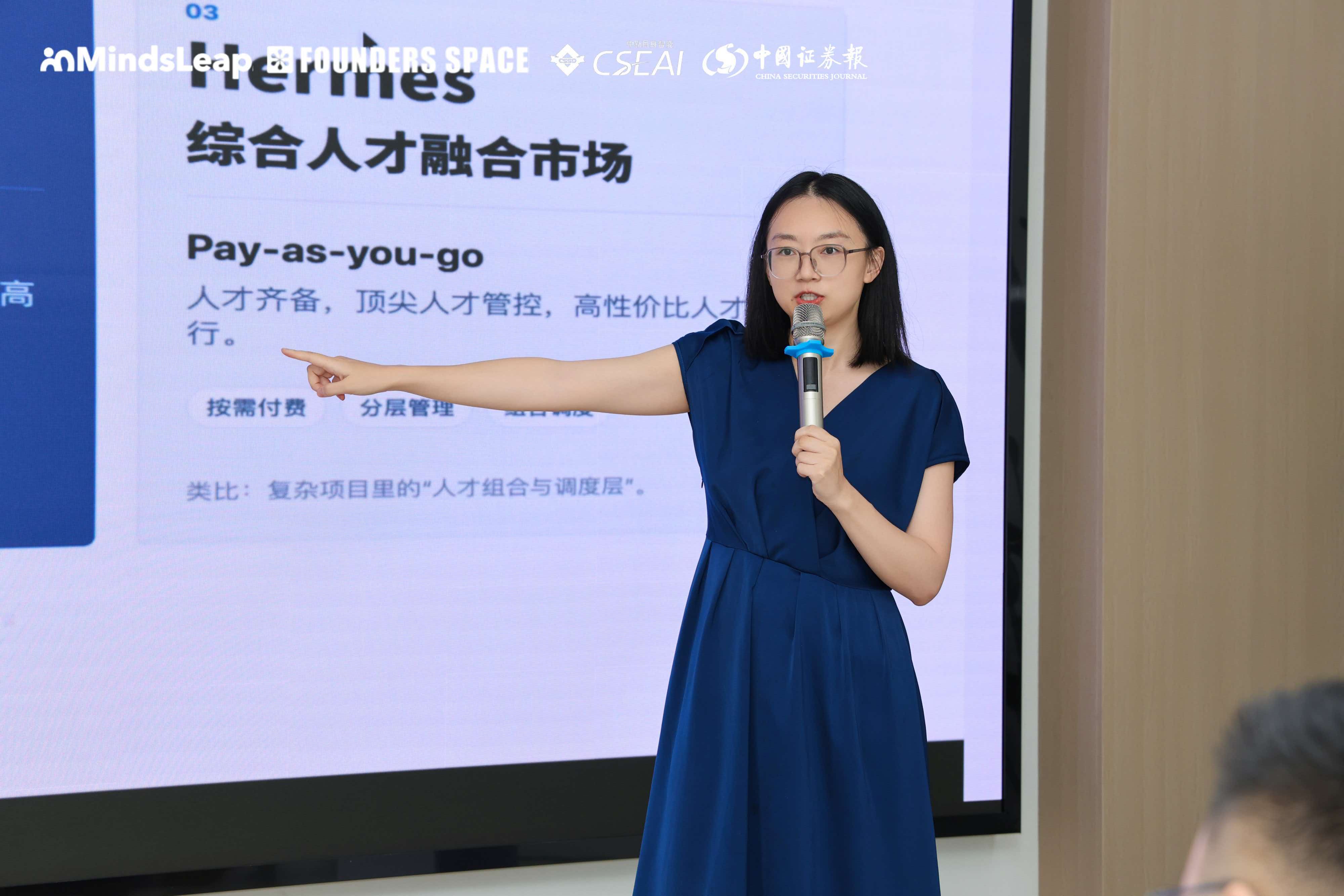
This second brain is not just a knowledge base. It is the context interface between the entrepreneur and AI digital employees. It helps AI understand business background, founder preferences, decision standards, and safety boundaries.
Yusi discussed several implementation questions:
- How should entrepreneurs organize long-term business judgment and operating materials?
- What belongs in a personal database, and what belongs in an enterprise knowledge base?
- How can tags, structured notes, and multi-platform tools organize business data?
- How can AI reason on top of high-quality context instead of giving generic answers?
- How can teams teach workflows to AI the way they would record and standardize an operating process?
She emphasized that context memory and data security will become essential for enterprise AI. As AI tools become easier to use, companies need clearer rules about which data can be opened, which actions require human confirmation, and which outputs must leave logs for later review.
Bingzhou: FDE Implementation Starts With Business Reality
Bingzhou shared from the perspective of FDE, or Forward Deployed Engineering. The missing layer between a demo and a business system is often not the model itself, but the work of diagnosing the business, prioritizing the right scenario, preparing data, defining success criteria, and iterating in the field.
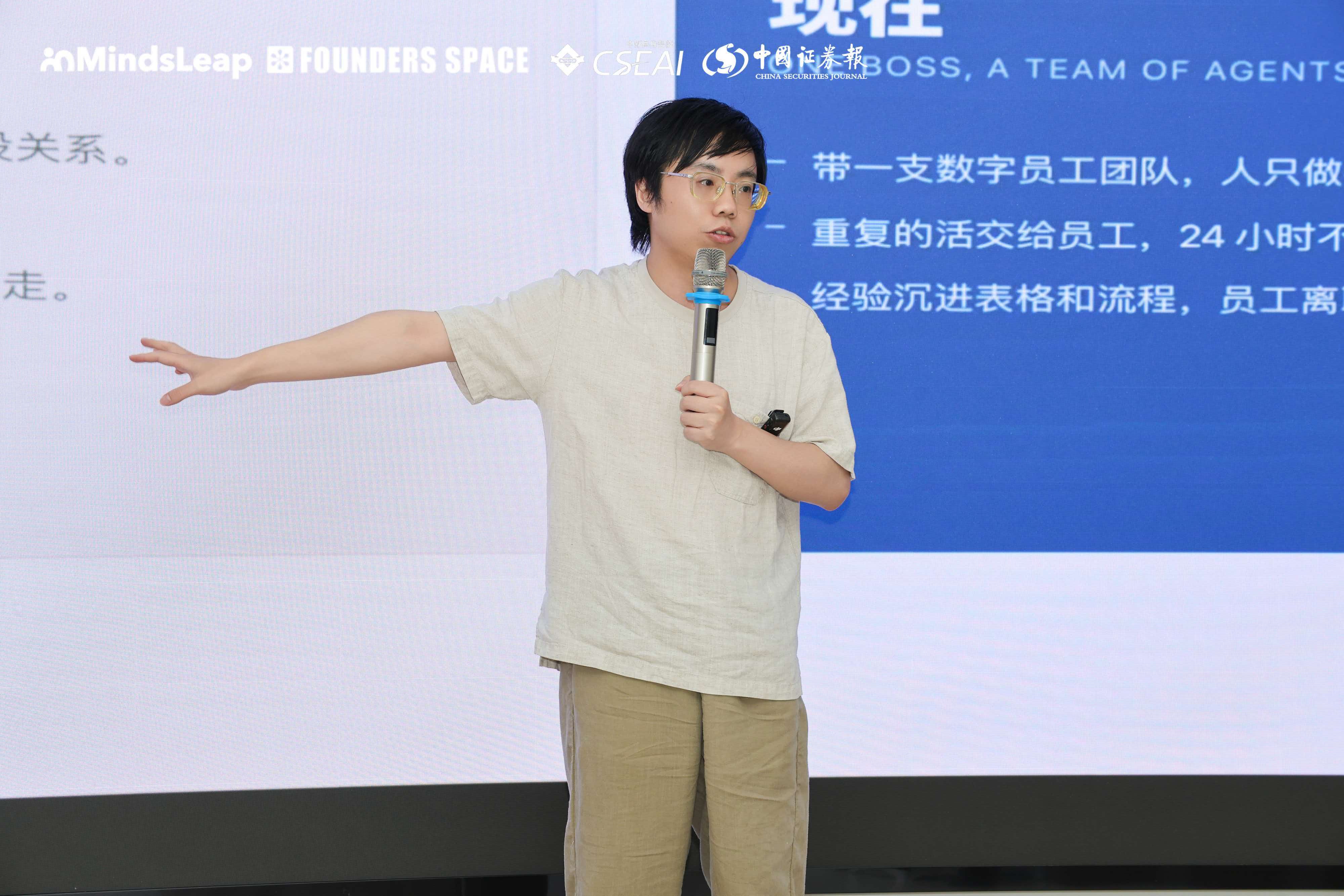
Many companies are enthusiastic about AI. What they often lack is a system for deciding which role AI should take first, what process should be tested, what metric proves value, and how to recover when an automated workflow fails.
For a digital employee to work, companies need to define five things:
- The role it is responsible for
- The business inputs it must read
- The output it must deliver
- The acceptance standards and human handoff points
- The feedback loop that allows it to improve over time
Only after these questions are clear can AI move from an impressive demo to a manageable, reviewable, and reliable digital employee.
From Tool Usage to Organizational Capability
The Suzhou media report framed the central question of the event as how AI can move from a chat interface into a business capability that accumulates assets and supports decisions. That is also why MindsLeap continues to build the Founders AI Club, AI workshops, and enterprise AI implementation programs.
From the AI Digital Employee Workshop in Shanghai to this AI Growth Exchange in Suzhou Industrial Park, MindsLeap is seeing a clear shift. Entrepreneurs no longer want to only understand AI trends. They want to know:
- Where should the first AI workflow begin?
- Which role should become the first digital employee?
- How can founder experience become reusable AI context?
- How can AI enter departmental collaboration and organization-wide workflows?
- How can a demo become a lasting business system?
Enterprise AI transformation is entering a more concrete stage: from using AI to designing AI roles; from personal productivity to workflow reconstruction; from one-off experiments to digital employee teams that keep working.
MindsLeap will continue to help entrepreneurs build second brains, AI digital employees, FDE delivery capability, and AI-native organizations so that AI transformation can move from shared understanding to measurable business outcomes.
About Founders AI Club
MindsLeap Founders AI Club is a practical AI transformation community created by MindsLeap. Built on the global resources of Founders Space and MindsLeap, the club connects entrepreneurs, AI builders, investors, and industry experts to help companies move from AI awareness to real implementation.
About MindsLeap
MindsLeap is an enterprise AI transformation and AI-native startup acceleration platform. Through the MindsLeap Founders AI Club, AI training and strategic advisory, FDE implementation, startup acceleration, and global growth services, MindsLeap helps traditional enterprises embed AI into real business workflows and helps AI-native ventures connect with industry use cases and global markets. MindsLeap is a global partner of Founders Space.
This article was translated and adapted from the Chinese original with AI assistance.